
Climate Change and the Seasons: How Rising Extremes Are Reshaping Our Daily Lives

Impact Of Climate Change

Climate change is no longer a distant concept — it’s reshaping the seasons we depend on. Hot periods are becoming hotter and longer, while cold seasons are warming unevenly and becoming more unpredictable. These shifts affect our health, our environment, and the rhythms of everyday life here in the High Desert and across the nation.
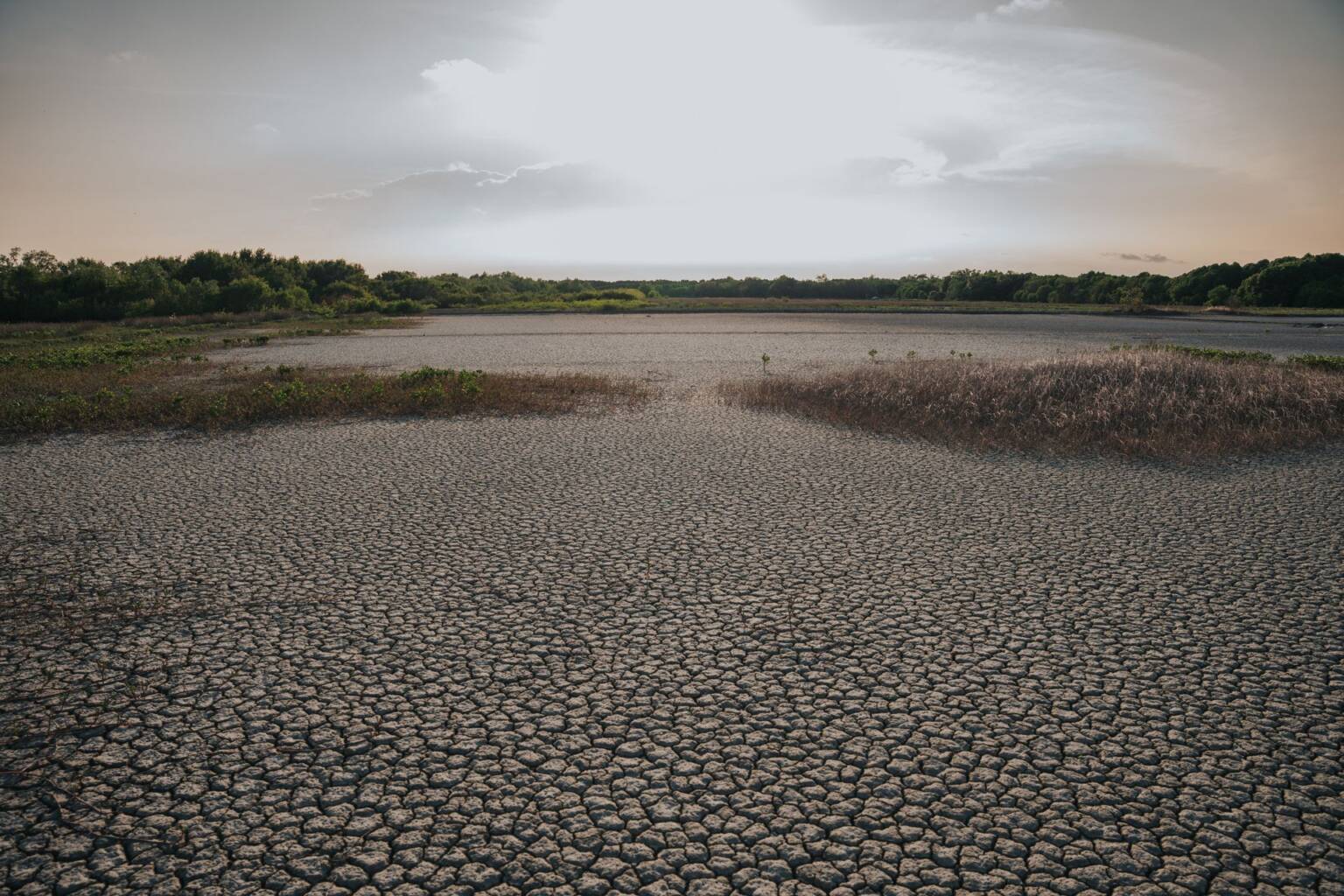
Hot seasons: longer, hotter and more dangerous

Climate research shows that heat waves are becoming more frequent and intense, increasing the risk of heat‑related illnesses such as heat stroke, dehydration, and respiratory problems.

Key impacts of hotter seasons:
  • Longer summer heat waves that strain the body, especially for older adults, outdoor workers, and youth athletes.
  • Prolonged wildfire seasons, worsening air quality and increasing asthma and allergy risks.
  • Extended pollen seasons, leading to more days of sneezing, congestion, and respiratory irritation.

For communities like ours in the High Desert, extreme heat also affects:

  • Outdoor youth programs
  • Homeless outreach
  • Access to cooling centers
  • Air‑quality safety for families

Cold Seasons: Warmer Winters & Unpredictable Pattern

While summers are heating up, winters are warming too — U.S. winter temperatures have increased by nearly 3°F since the late 19th century.

Cold‑season changes include:

  • Reduced snowpack and earlier snowmelt across the western United States
  • Earlier spring runoff, disrupting water availability for agriculture and cities
  • Shorter winter recreation seasons, affecting tourism and local economies

Warmer winters may reduce heating costs, but the overall impact is negative — affecting water supplies, wildlife, and seasonal industries.

Seasonal Extremes Are Increasing

Climate scientists have documented rising exposure to both hot and cold extremes as global temperatures climb.

This means:

  • Hot seasons are pushing temperatures higher than ever.
  • Cold seasons, though warmer overall, still produce sudden cold snaps that can be dangerous because ecosystems and infrastructure are no longer adapted to them.

This increased variability makes planning harder for farmers, city planners, and families alike.

Environmental Impacts

Climate‑driven seasonal changes affect:

  • Agriculture — longer growing seasons can help some crops, but extreme heat and unpredictable frosts can destroy others.
  • Water resources — earlier snowmelt disrupts the timing of water availability.
  • Wildlife and plants — shifts in bloom and migration patterns create mismatches in food availability and habitat stability.

For TWRC’s community, these changes influence:

  • Food security
  • Outdoor youth programming
  • Local environmental health
  • Water conservation efforts

What This Means For Daily Life

Whether we’re dealing with scorching summers or milder but unstable winters, climate change is reshaping how we live:

  • More days of extreme heat mean adjusting outdoor activities and protecting vulnerable neighbors.
  • Changing winter patterns affect travel, recreation, and even how we manage home energy use.
  • Seasonal allergies, asthma triggers, and heat‑related illnesses are becoming more common.

Climate change is not just an environmental issue — it’s a public‑health and community‑wellbeing issue.

Understanding how climate change affects hot and cold seasons helps us prepare and respond. Communities can:

  • Expand cooling and warming centers
  • Improve air‑quality alerts
  • Invest in climate‑resilient infrastructure
  • Support policies that reduce emissions and protect natural resources

At TWRC, we remain committed to educating families, empowering youth, and strengthening community resilience — season by season.

Your support helps turn resources and opportunities into lasting community impact.

Every contribution helps The Way Resource Center continue connecting individuals and families with the support, education, and opportunities they need to move forward. Together, we can strengthen our community and create a brighter tomorrow.