When Survival Becomes the System
If the First Earth represents the foundations of community, the Second Earth is the reality we are navigating today.
It is a world shaped by economic pressure, housing instability, environmental burdens, rapid development, transportation challenges, workforce displacement, and unequal access to technology. Across the Inland Empire, families are trying to build stable lives while navigating conditions they did not create.
It is the parent weighing rent against groceries. It is the young person struggling to reach school or work because transportation is limited. It is the older adult living in a neighborhood without shade, sidewalks, or a safe place to walk. It is the nonprofit trying to meet growing needs with limited resources.
These experiences may look different, but they share a common thread: too many people are forced to spend their energy navigating barriers instead of pursuing opportunities.
The Second Earth is the world where survival becomes the system.
When Systems Produce Crisis, Crisis Becomes Normal
When people face repeated barriers, it is easy to focus only on individual circumstances. But housing, transportation, employment, education, environmental health, and access to resources are deeply connected.
A household may struggle to keep a job because transportation is unreliable. A young person may miss educational opportunities because resources are too far away. A family may experience financial instability when housing costs leave little room for emergencies.
Housing & Financial Pressure
Rising living costs can leave families choosing between essentials and make long-term stability harder to achieve.
Environment & Development
Expanding development can place new pressures on local environments and neighborhood livability.
Access & Opportunity
Transportation and digital barriers can limit access to education, employment, and community resources.
Organizations Under Pressure
Nonprofits often face growing demand while working with limited funding, time, and capacity.
These are not separate problems to solve in isolation. They are interconnected challenges that require coordinated responses, stronger partnerships, and a willingness to look beyond immediate symptoms.
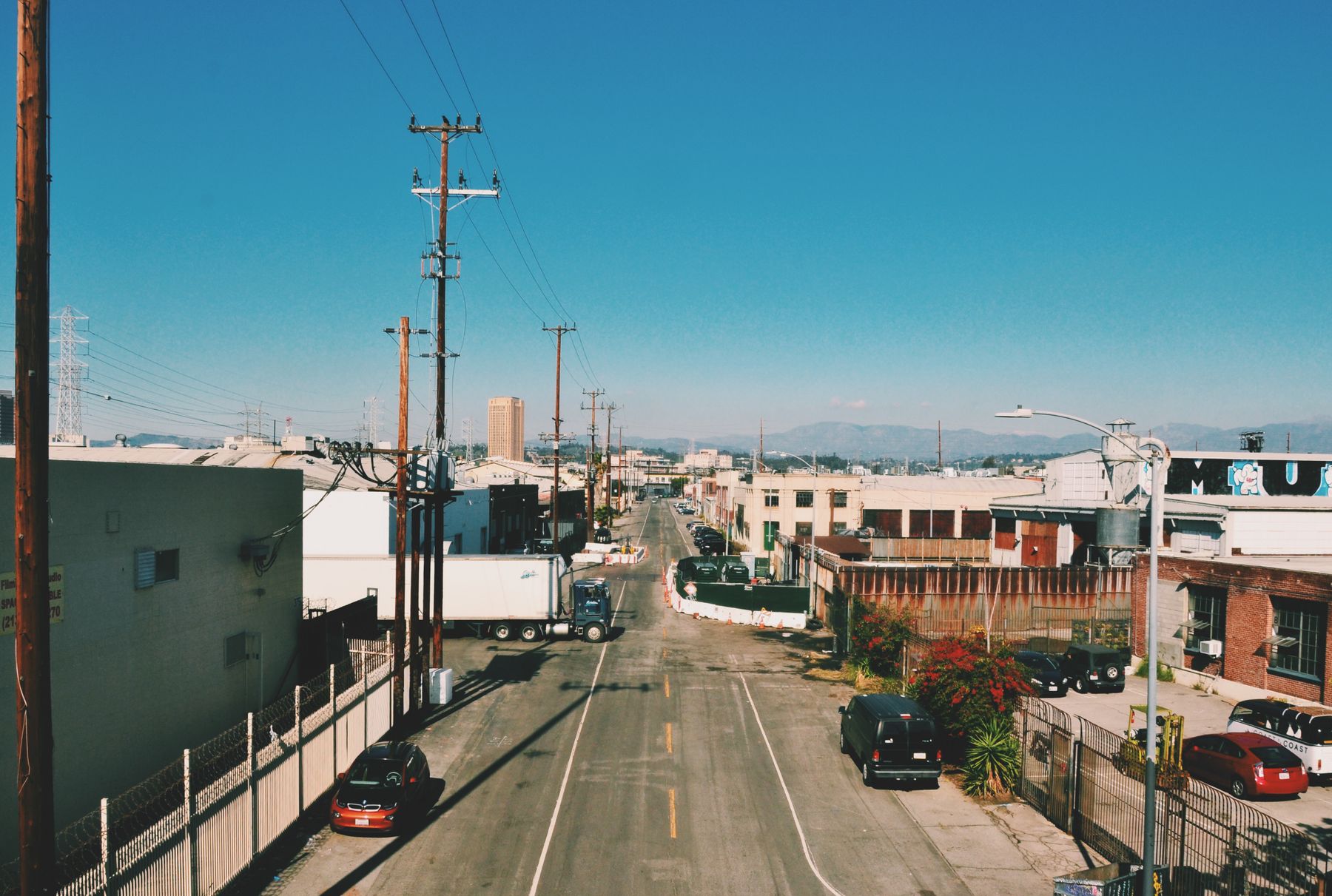
Illustrative stock photography. The image is not a documented view of a specific Inland Empire site.
The Nonprofit Reality: Responding Instead of Transforming
This is where the conversation becomes especially important for nonprofit organizations, including TWRC.
Across communities, nonprofits help address homelessness, unemployment, food insecurity, youth disengagement, health disparities, violence prevention, and mental health crises. This work is essential. When a family needs food or a young person needs support, help cannot wait.
Over time, however, organizations can find themselves spending most of their capacity responding to urgent needs. Teams become skilled at triage, connecting people to resources, and managing one emergency after another.
If we spend all our resources responding to the consequences of broken systems, when do we get the opportunity to change the systems themselves?
A family facing eviction cannot wait years for housing reform. A hungry household needs food today. Immediate assistance is a responsibility we must continue to meet.
The goal is not to do less for people facing crisis. It is to help people today while building the capacity to reduce the barriers that make tomorrow’s crises more likely.
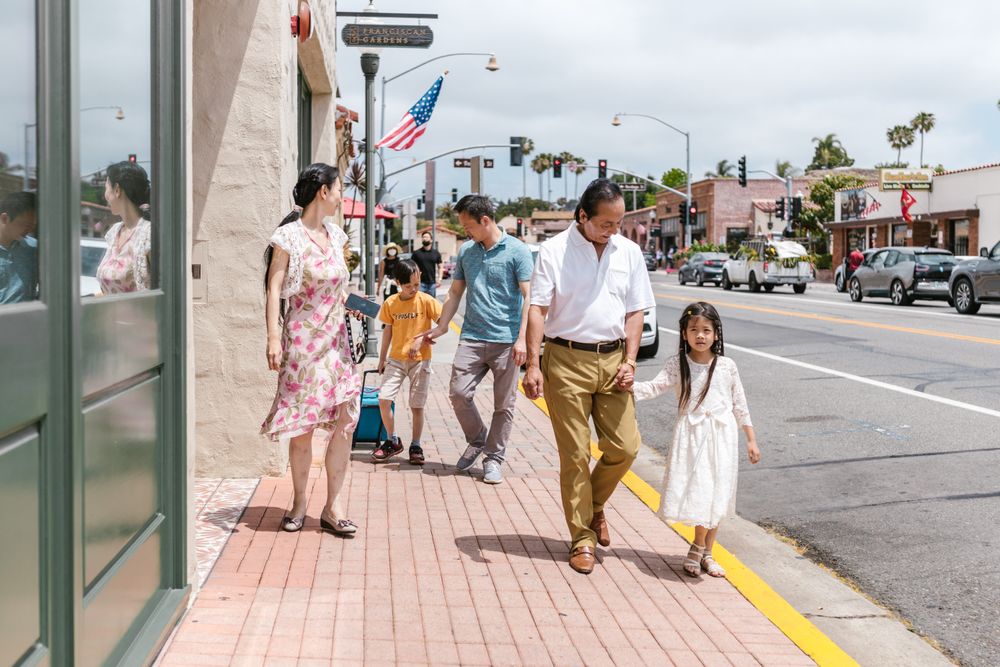
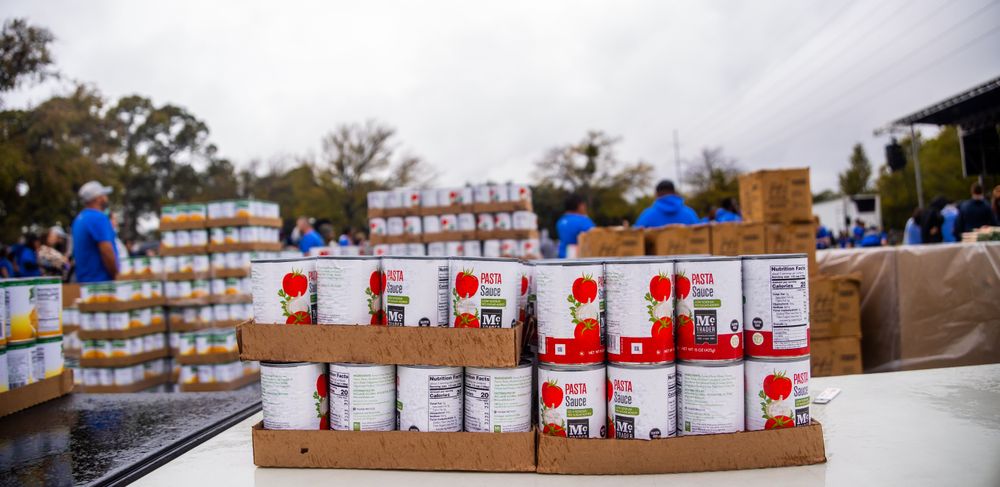
Illustrative stock photography from Pexels. These images are not representations of TWRC’s own programs or participants.
The Danger of the Second Earth
The danger is not only that crises happen. It is that repeated crises can begin to feel inevitable.
When every day becomes an emergency, people have less room to imagine a different future. When nonprofit teams remain in constant response mode, opportunities to experiment, collaborate, and plan ahead become harder to pursue. When prevention receives less attention than immediate needs, the underlying pressures can remain in place.
Getting through a difficult day matters. Having the security, resources, relationships, and opportunities to build a better life matters too.
The Second Earth asks us to question what we have come to accept as normal. It challenges us to consider whether our systems are helping communities become more resilient or simply helping them endure the same pressures again and again.
A Call to Action for Every Sector
Moving beyond the Second Earth cannot be the responsibility of nonprofits alone. It calls for cooperation between residents, community organizations, public agencies, funders, educators, and businesses.
Each has a role to play in understanding local needs, sharing knowledge, improving access to resources, and investing in solutions that extend beyond the immediate moment.
How much of what we do helps people survive today’s conditions — and how much changes the conditions themselves?
- Reevaluate priorities. Make room for prevention alongside immediate assistance.
- Reimagine partnerships. Connect organizations, resources, and knowledge to address shared challenges.
- Rebuild systems. Identify recurring barriers and work toward practical, lasting solutions.
- Restore community. Strengthen belonging, trust, participation, and shared responsibility.
- Measure meaningful progress. Look beyond immediate outputs to consider whether people are gaining greater access, stability, and opportunity.
Refusing to Accept Crisis as Normal
TWRC will continue to support families and individuals facing immediate challenges. Responding when people need help is part of our commitment to the community.
But our vision must extend beyond helping people get through the next crisis. It must also include strengthening the relationships, opportunities, partnerships, and systems that help communities become more stable over time.
This is the bridge between the Second Earth and the Third Earth: holding the urgency of today’s needs alongside the responsibility to create a better tomorrow.
Respond to the crisis.
Meet immediate needs with compassion, practical support, and resources that help people navigate difficult circumstances today.
Change the conditions.
Build partnerships, expand opportunity, address recurring barriers, and invest in the foundations of lasting community well-being.
Neither responsibility can replace the other. Together, they give community development a broader purpose: not only helping people endure difficult circumstances, but helping create conditions in which fewer people are forced to endure them.
Survival Is Not the Destination. Transformation Is.
The Second Earth is a wake-up call. It reminds us that a community’s strength cannot be measured only by how well it responds to hardship, but also by how seriously it works to prevent hardship and expand opportunity.
We must respond to the crisis in front of us — and work together to change the conditions that create it.
This is the work ahead. This is the bridge between the world we have and the world we deserve. And it is work that becomes possible when communities choose to build a different future together.
Learn More About TWRC