
David Green
Starting a new job is an exciting milestone. Whether you’re entering the workforce for the first time, changing careers, or accepting a better opportunity, receiving a job offer can feel like the beginning of an exciting new chapter.
In the excitement of securing a position, many workers sign employment contracts or offer letters without carefully reviewing the details. Unfortunately, this can lead to misunderstandings about pay, job responsibilities, benefits, workplace expectations, and other important employment conditions.
An employment contract is more than just paperwork. It serves as a written agreement between you and your employer and outlines the expectations of both parties. Taking the time to understand the document before signing can help you make informed decisions and avoid unnecessary issues later.
Employment contracts provide clarity for both employers and employees. They establish the terms of employment, outline expectations, and serve as a reference if questions or disagreements arise in the future. Many workers assume contracts only protect employers, but they also protect employees by documenting agreed-upon compensation, benefits, responsibilities, and workplace policies. Reading these documents carefully ensures that what was discussed during the hiring process is accurately reflected in writing.
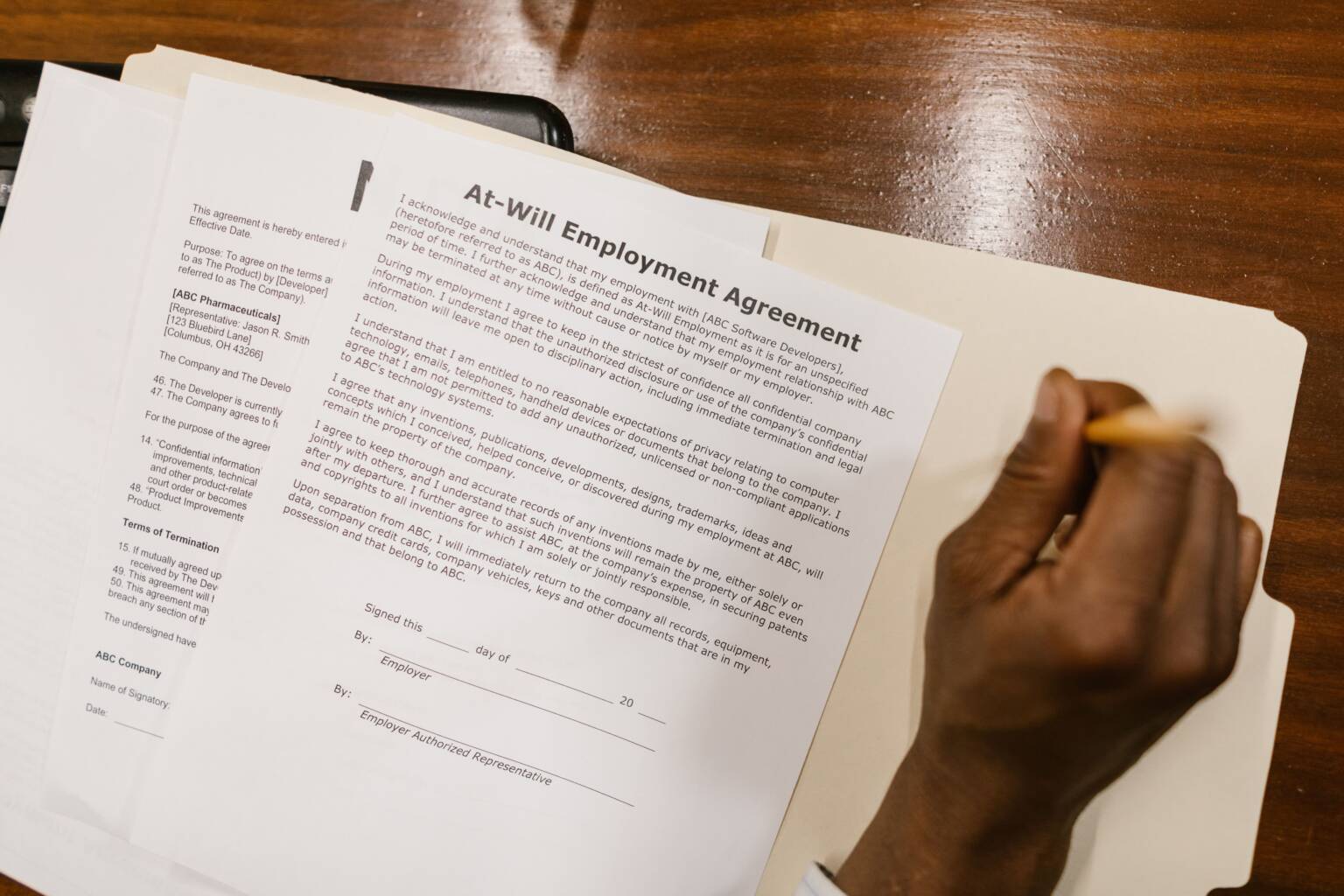
One of the first things to review is the position itself. Your job title, daily responsibilities, reporting structure, and overall expectations should match what was explained during interviews. Some employment agreements use broad language such as “other duties as assigned.” While some flexibility is normal, workers should understand whether those additional responsibilities are reasonable and related to the position they were hired for. If anything seems different from what was originally discussed, it’s worth asking for clarification before signing.
Compensation is often the section workers focus on first, but it’s important to review every detail carefully. Beyond confirming your salary or hourly wage, pay attention to overtime eligibility, bonuses, commissions, pay schedules, and reimbursement policies. If benefits such as health insurance, retirement plans, paid time off, or sick leave are offered, understand when they begin and what they include. Remember that verbal promises made during interviews may not always appear in the written agreement. If something important is missing, ask for clarification before accepting the offer.
Work schedules are another important part of any employment agreement. While a position may have been described as flexible, the contract may outline specific working hours, overtime expectations, weekend availability, travel requirements, or remote work policies. Understanding these expectations before your first day helps prevent misunderstandings and allows both you and your employer to begin the working relationship with clear expectations.
Many employers include confidentiality provisions to protect sensitive business information. These clauses typically cover customer information, financial records, internal procedures, and proprietary business information. Reading these sections carefully helps you understand your responsibilities regarding confidential information both during and after your employment. If any language appears overly broad or difficult to understand, don’t hesitate to ask questions before signing.
Some employment agreements include provisions that may affect future employment opportunities or professional activities. These may involve restrictions on sharing confidential information, working for competitors under certain circumstances, or using company-developed materials after employment ends. While these clauses are common in many industries, it’s important to understand how they apply to your role and whether they could affect your career plans. Taking the time to review these provisions now can help avoid surprises later.
Most employers provide straightforward employment agreements, but workers should still review every document carefully. Missing compensation details, vague job descriptions, blank sections, inconsistent information, or pressure to sign immediately should prompt additional questions. A reputable employer should be willing to explain any part of the agreement and allow you reasonable time to review it before making a decision. If something feels unclear, asking questions is always better than making assumptions.
Before signing an employment agreement, take time to read the entire document without rushing. Compare the written terms with what was discussed during interviews, and make sure important details such as compensation, benefits, responsibilities, and workplace expectations are accurately reflected.
It’s also a good idea to keep a signed copy of your agreement along with any offer letters, employee handbooks, or other employment documents for future reference. Being informed doesn’t mean you distrust your employer, it means you’re taking an important step toward protecting your interests and beginning your new role with confidence.
Employment contracts are one of the most important documents you’ll receive throughout your career. While accepting a new opportunity is exciting, taking the time to understand the agreement can help prevent misunderstandings and create a stronger foundation for a successful working relationship.
If there’s anything in an employment agreement that you don’t understand, ask questions before signing. An informed decision today can help protect your rights and provide peace of mind throughout your employment.
Your support helps turn resources and opportunities into lasting community impact.
Every contribution helps The Way Resource Center continue connecting individuals and families with the support, education, and opportunities they need to move forward. Together, we can strengthen our community and create a brighter tomorrow.